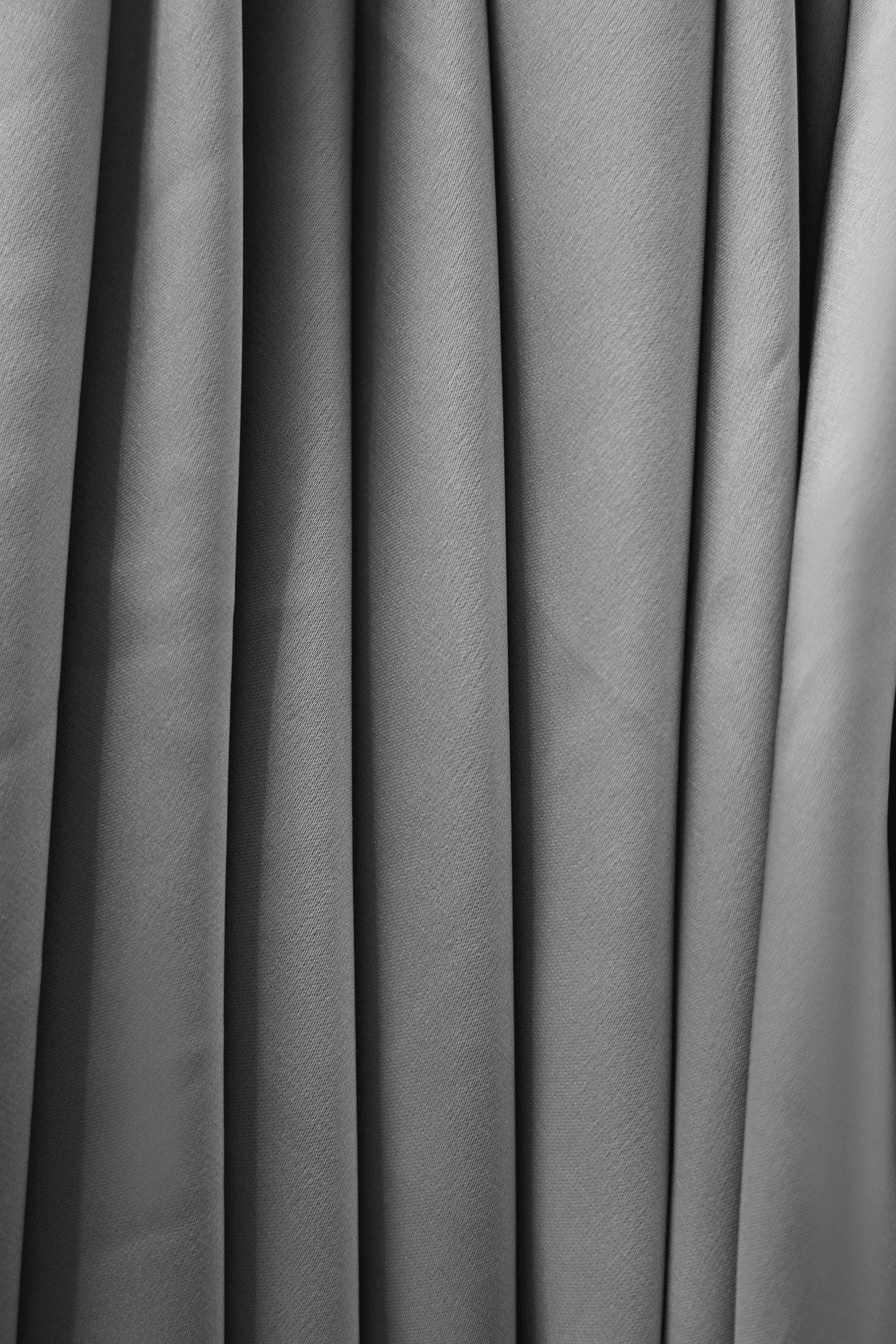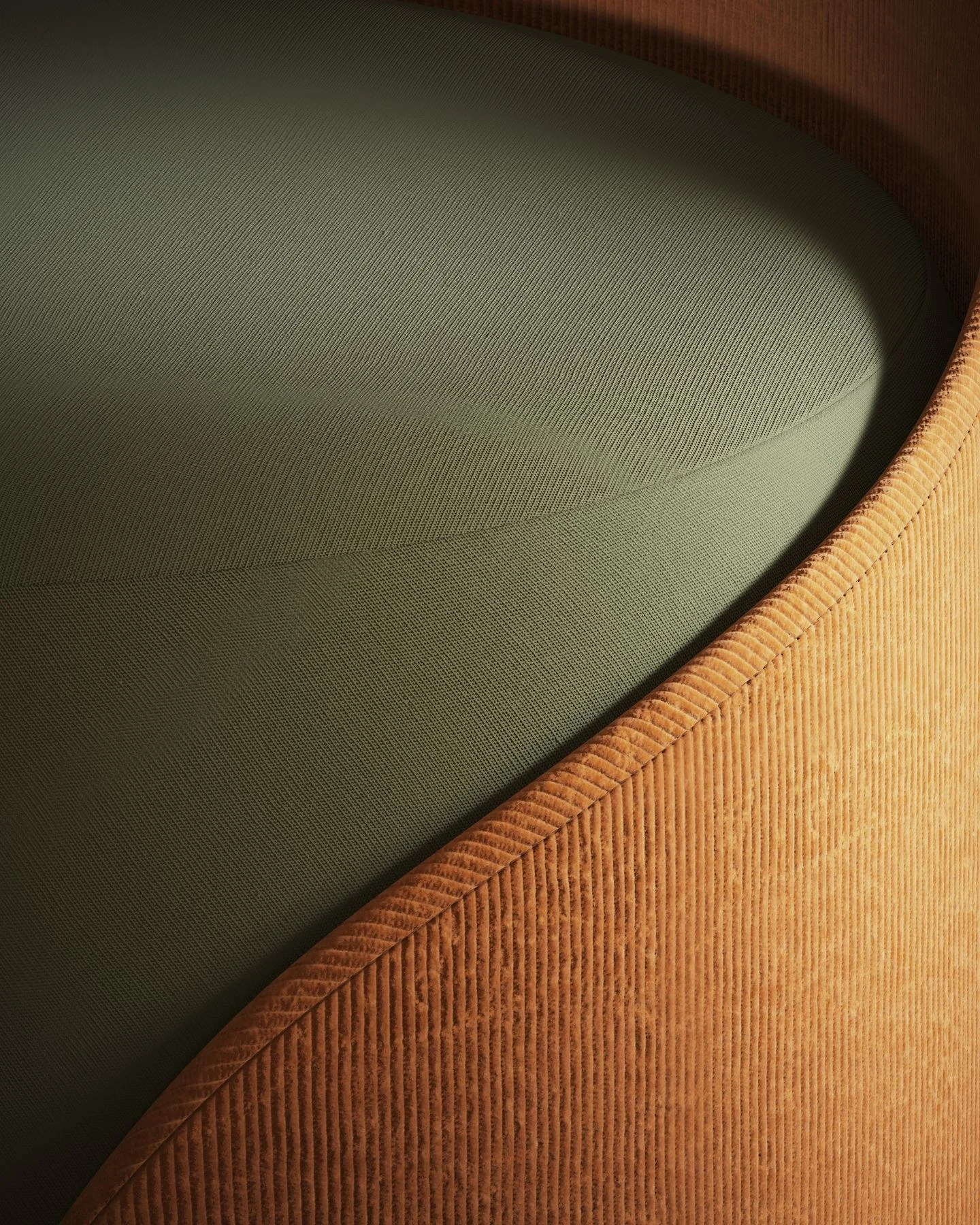
Linen-look or velvet upholstery: comparing the tradeoffs
Compare linen-look and velvet upholstery through actual fiber content, texture, appearance in changing light, and the care demands of the specific fabric.
Home/Materials & Details
Window treatments, upholstery, surfaces, and finishing choices for everyday use.
Compare linen-look and velvet upholstery through actual fiber content, texture, appearance in changing light, and the care demands of the specific fabric.
Choose curtain length by the desired hem position, daily opening and cleaning, nearby furniture, and the actual hanging hardware above the window.
Plan a curtain rod around the window, wall space, fabric stack, and hardware requirements so the treatment works open as well as closed.
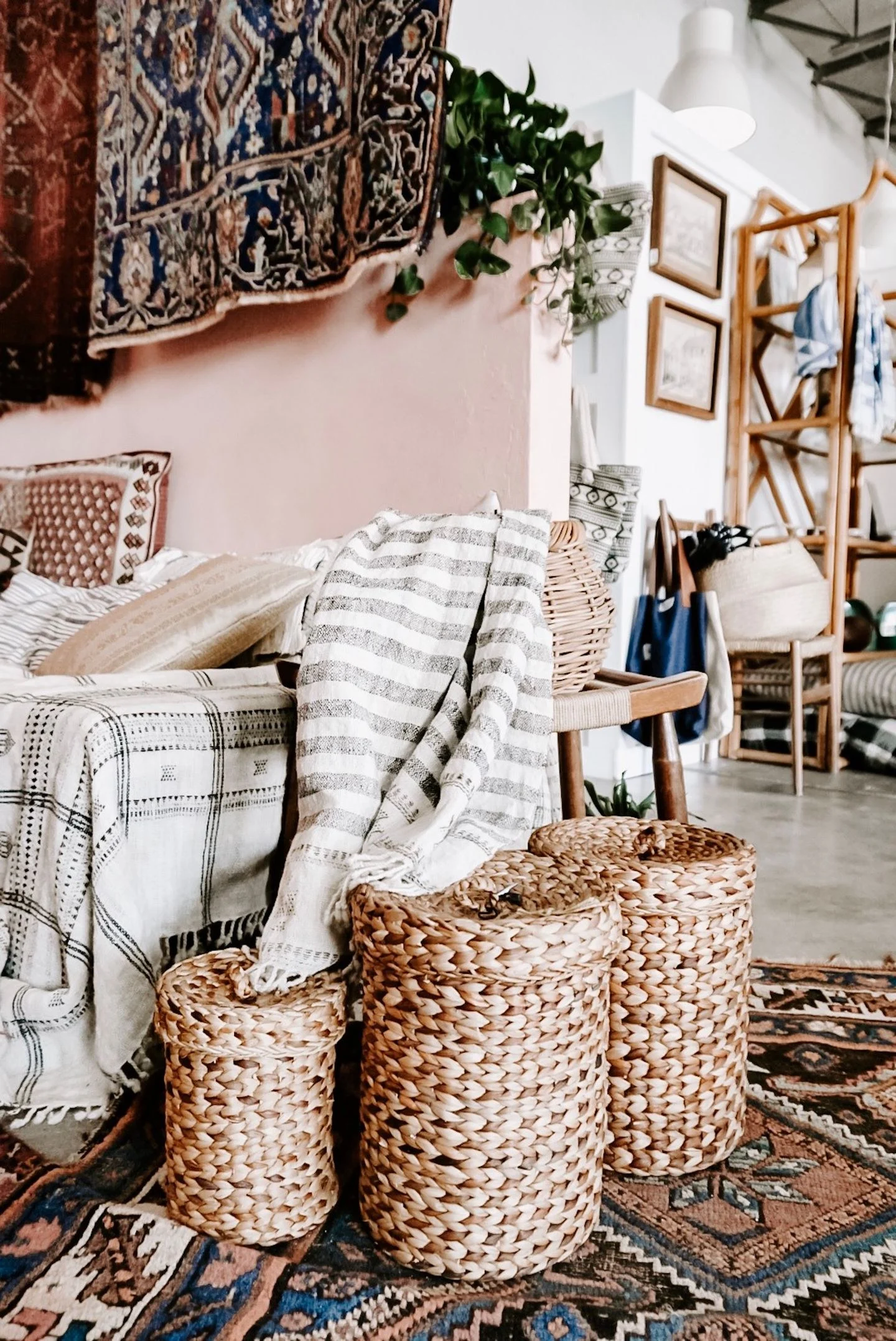
Layer rugs only when the combined size, thickness, stability, and furniture placement work, then use texture and pattern to give each layer a role.
Choose a washable rug by checking its full dimensions, construction, washer compatibility, drying method, and the effort needed to put it back.
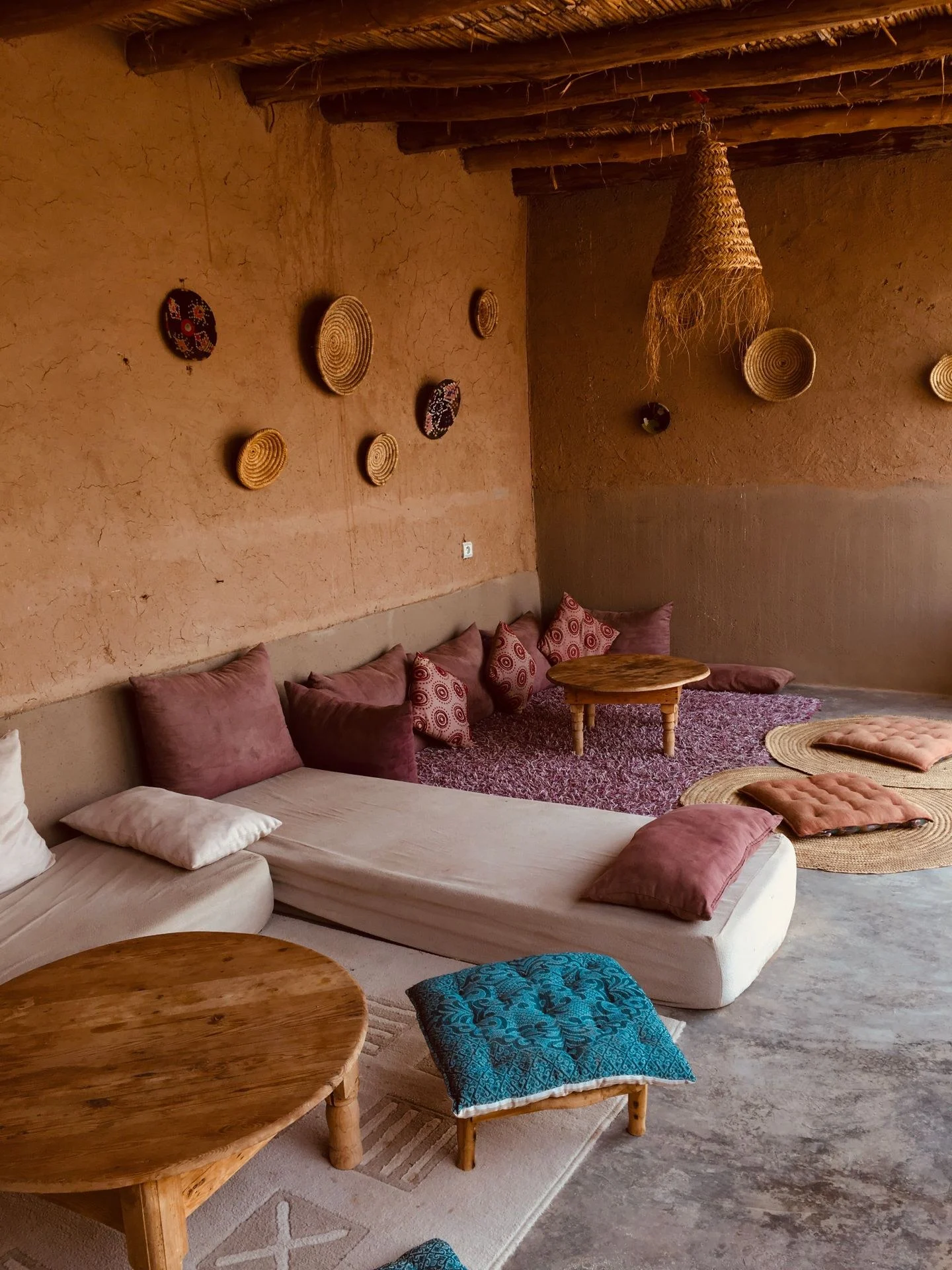
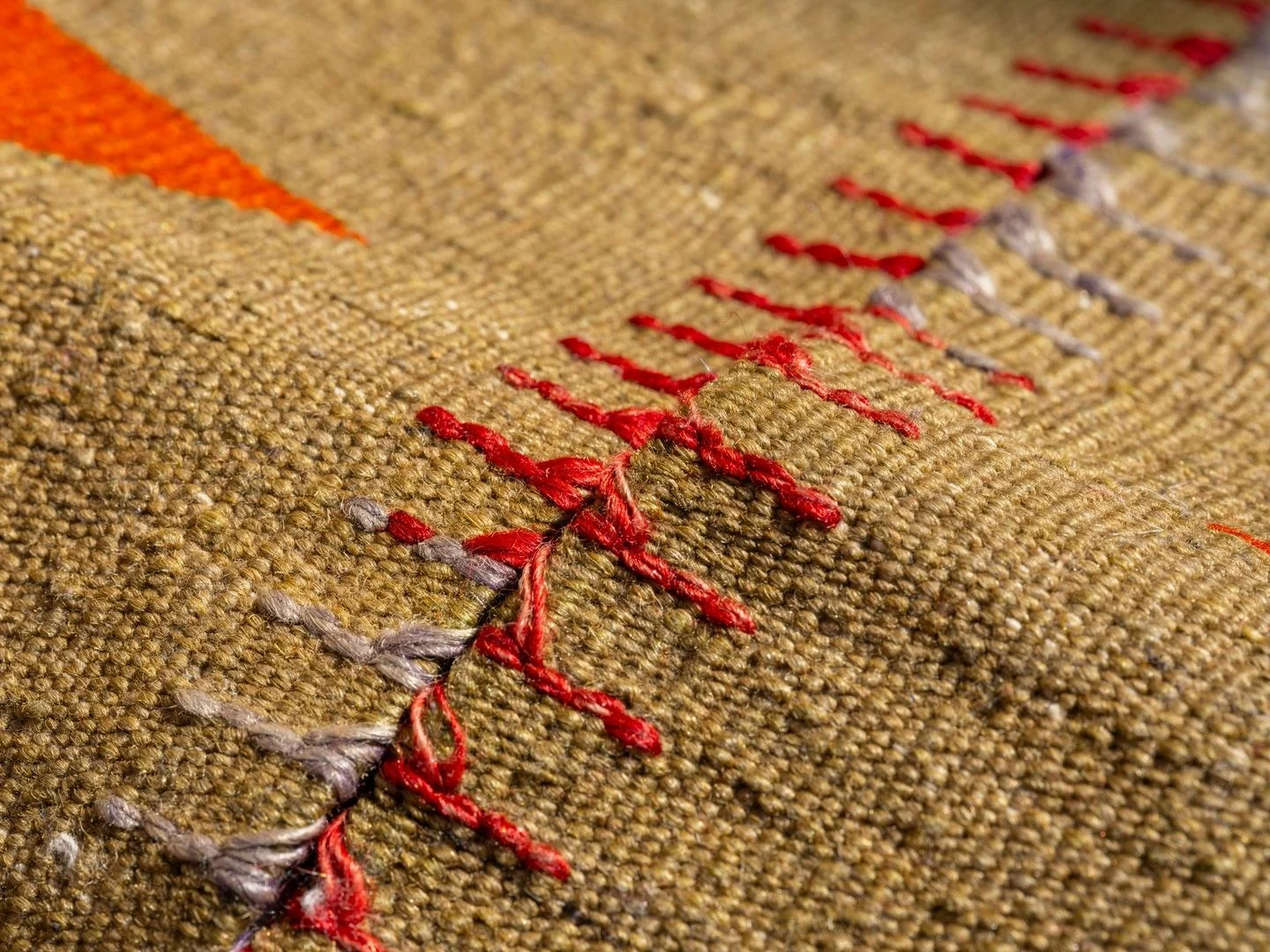
Mix woven textures by varying their scale and purpose, using smoother surfaces nearby so baskets, cane, rugs, and upholstery do not compete for attention.
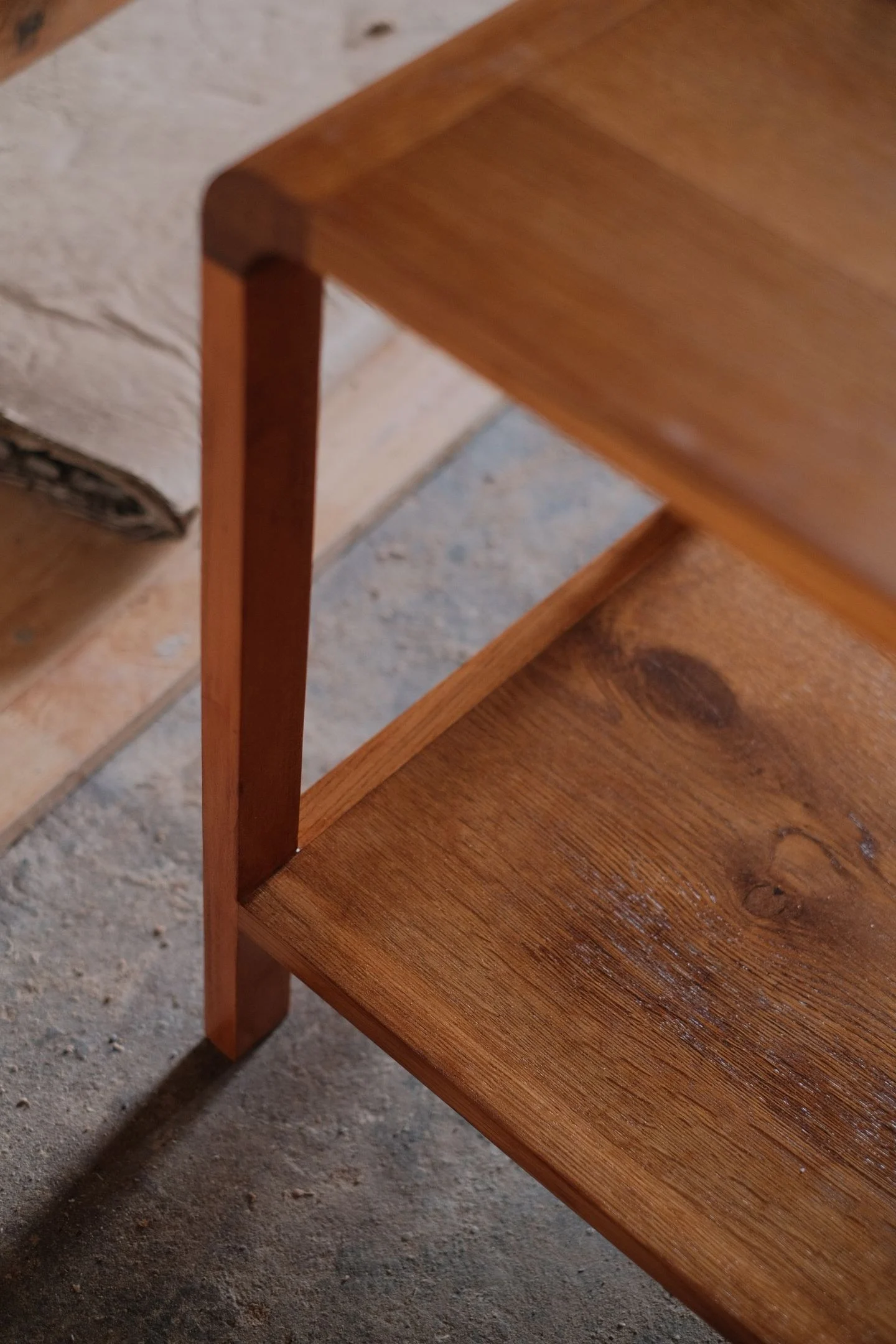
Compare solid wood and wood veneer furniture through construction, edges, finish, repair options, and intended use rather than treating the material label as a quality score.
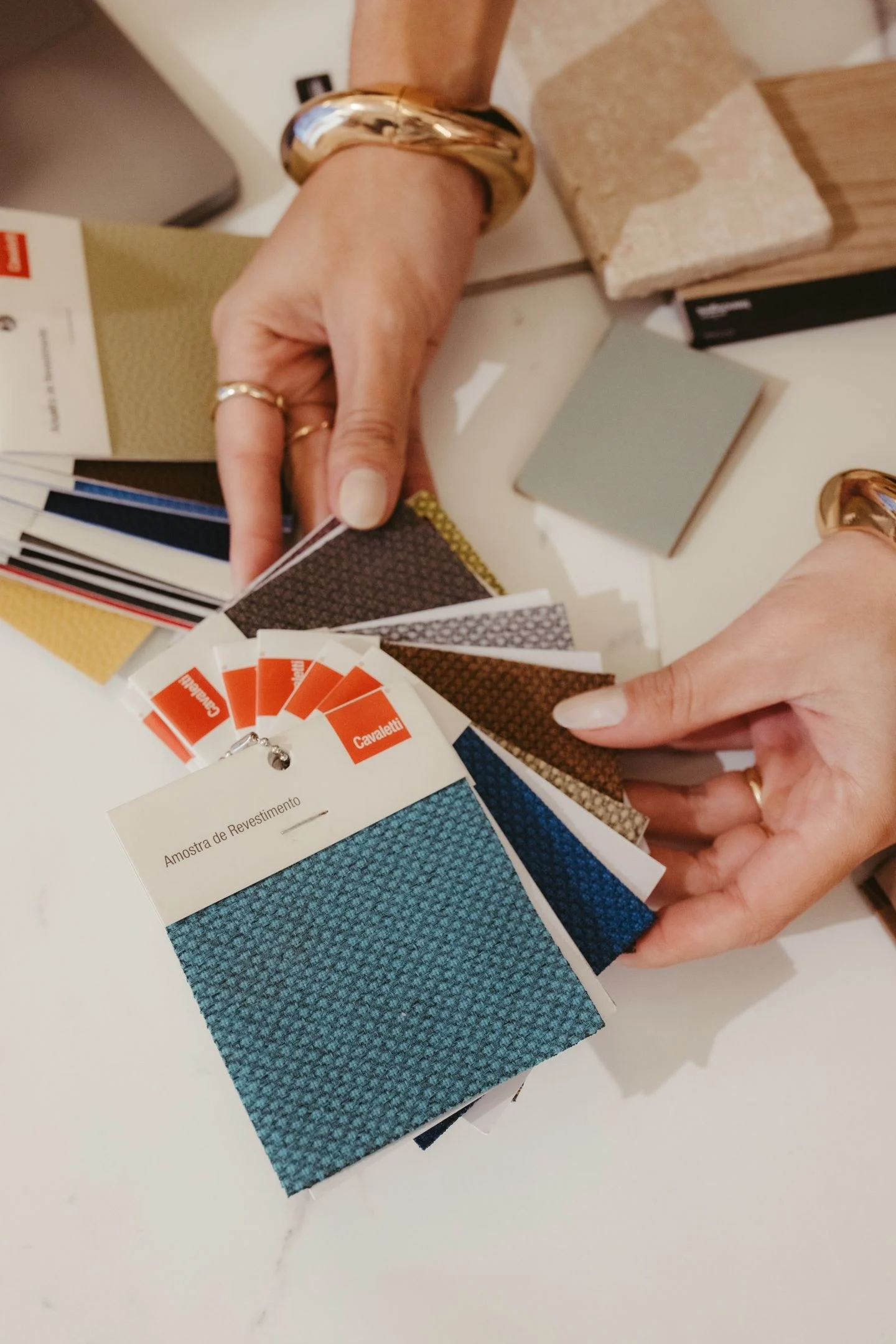
Compare upholstery swatches in your own room through light, texture, surrounding materials, and care information before committing to a full sofa or chair.
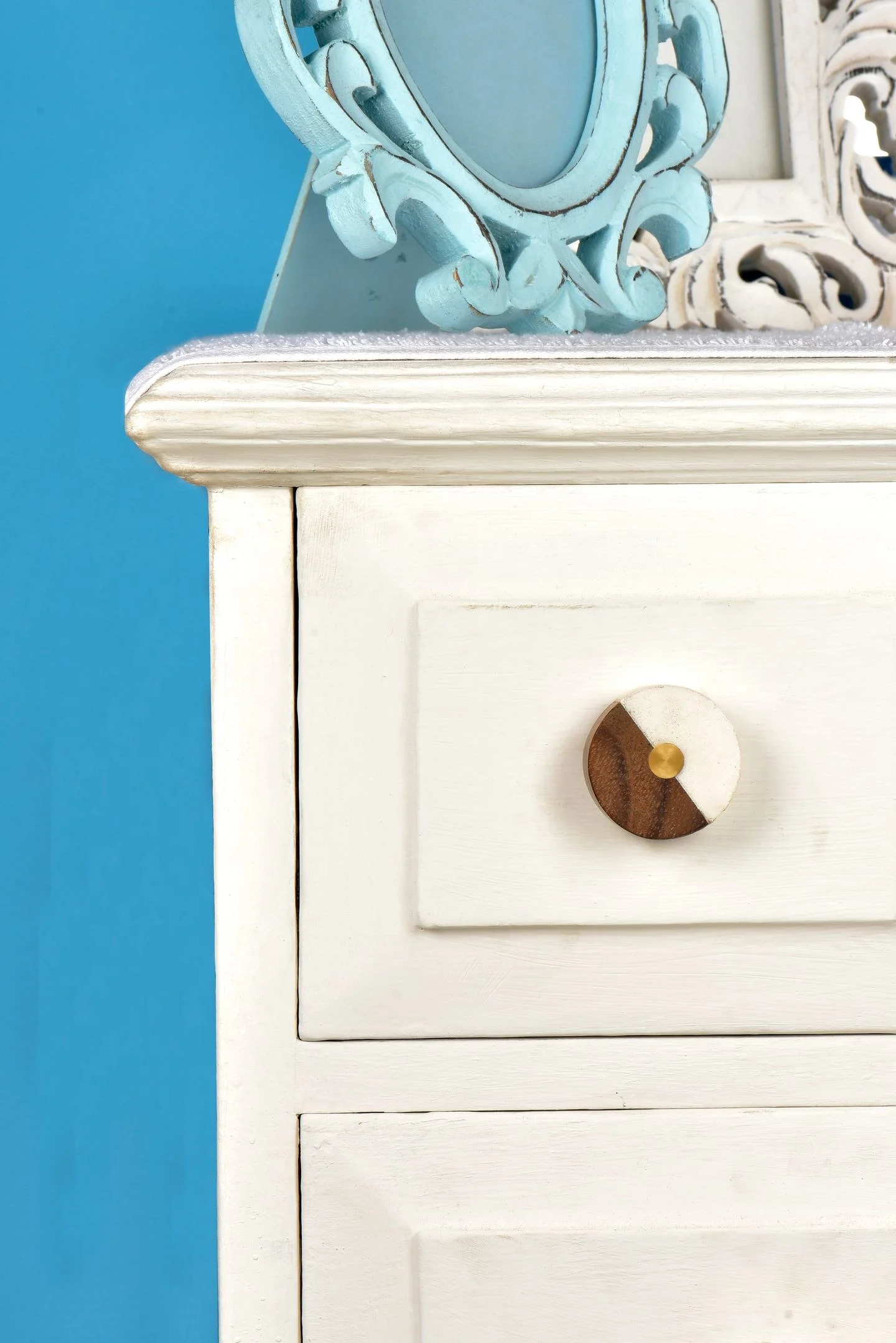
Choose cabinet knobs by grip, projection, mounting, and the size of the door, using a sample to judge both appearance and everyday handling.
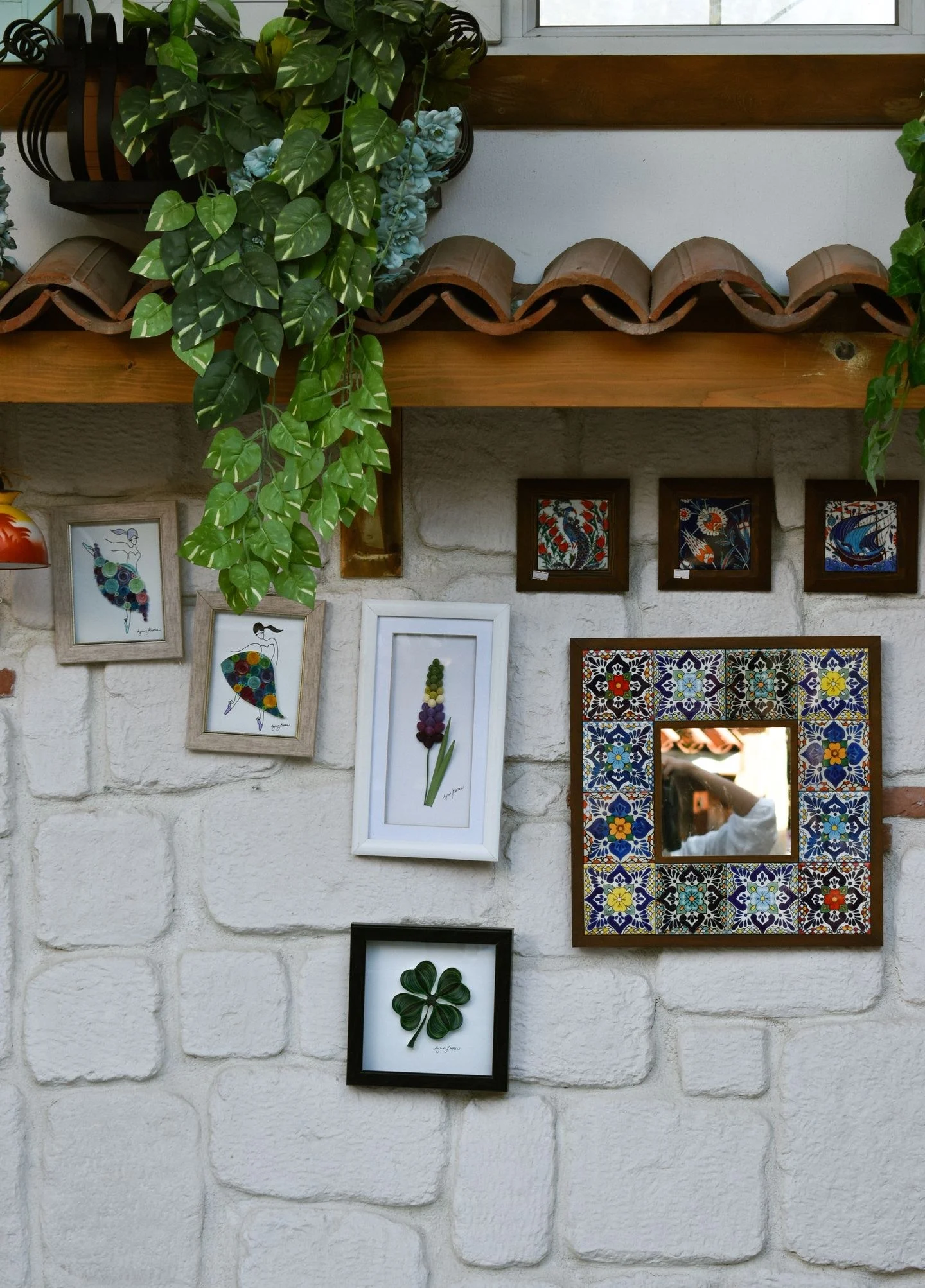
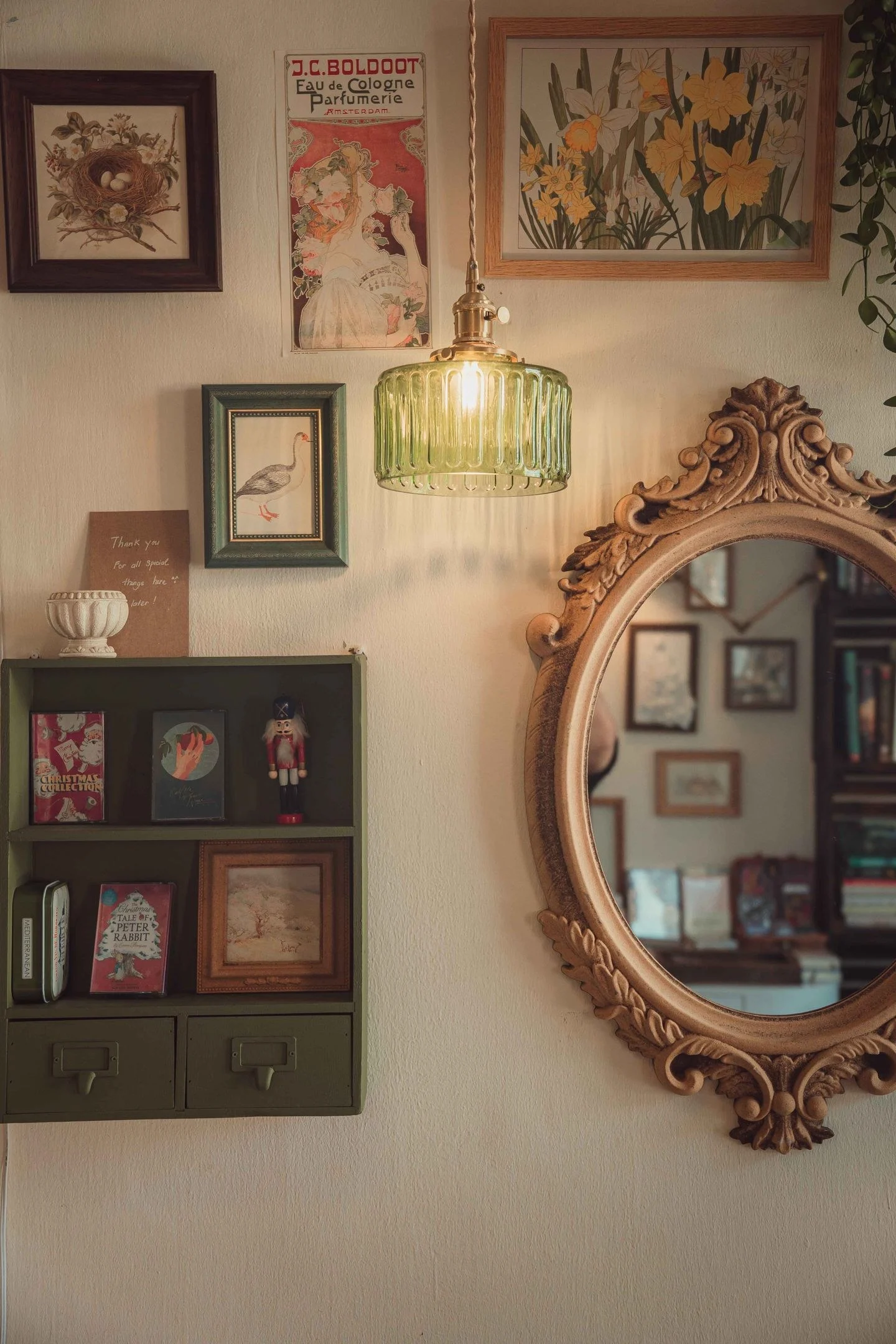
Plan a gallery wall on the floor with the full frame sizes, a clear grouping, paper templates, and secure installation suited to the artwork and wall.
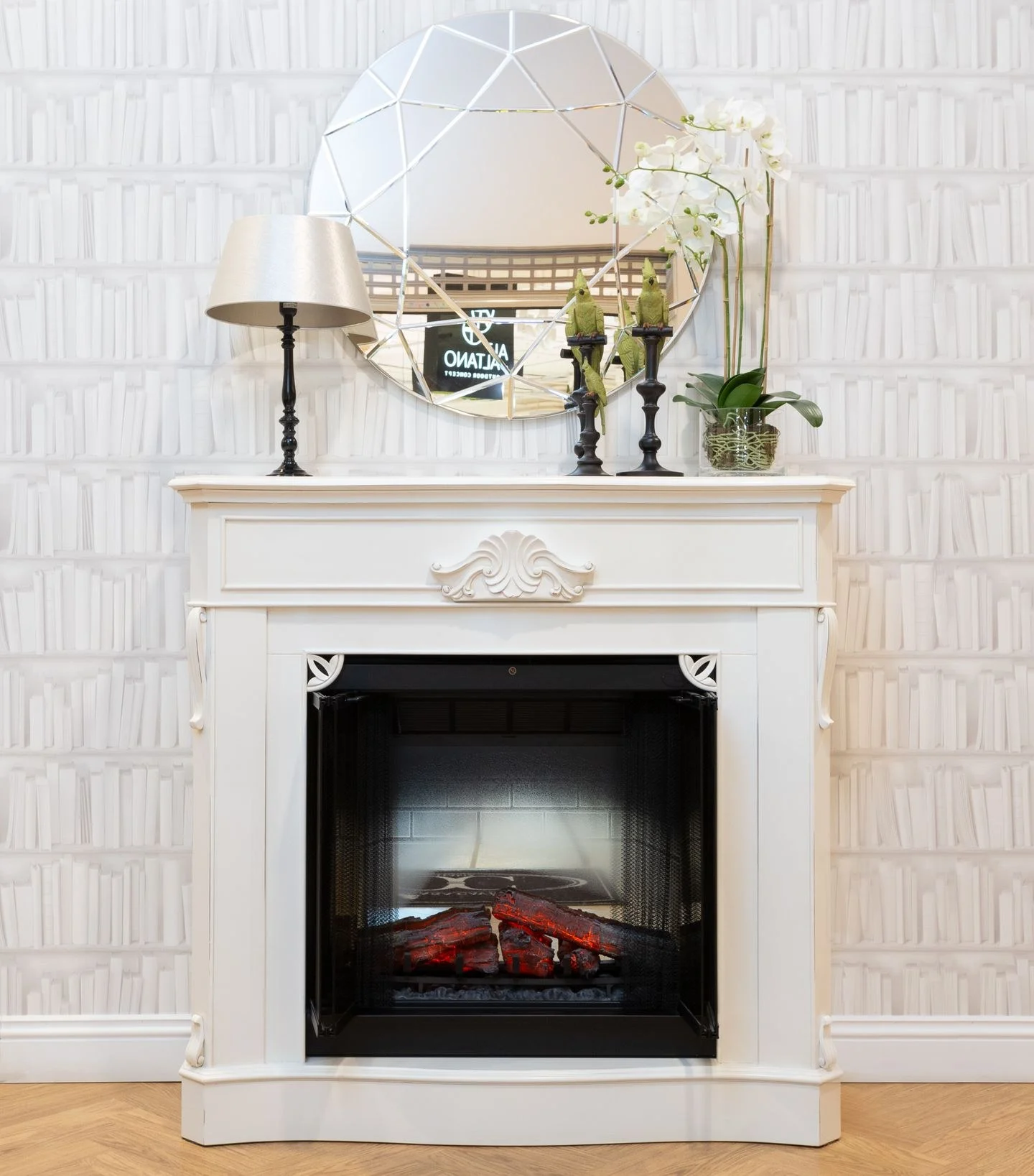
Arrange a mantel with unequal heights and a clear focal point, keeping objects stable and respecting the fireplace’s heat and clearance requirements.
Arrange a collected display through a shared idea, varied heights, and space around meaningful objects, without making every item match or showing everything at once.