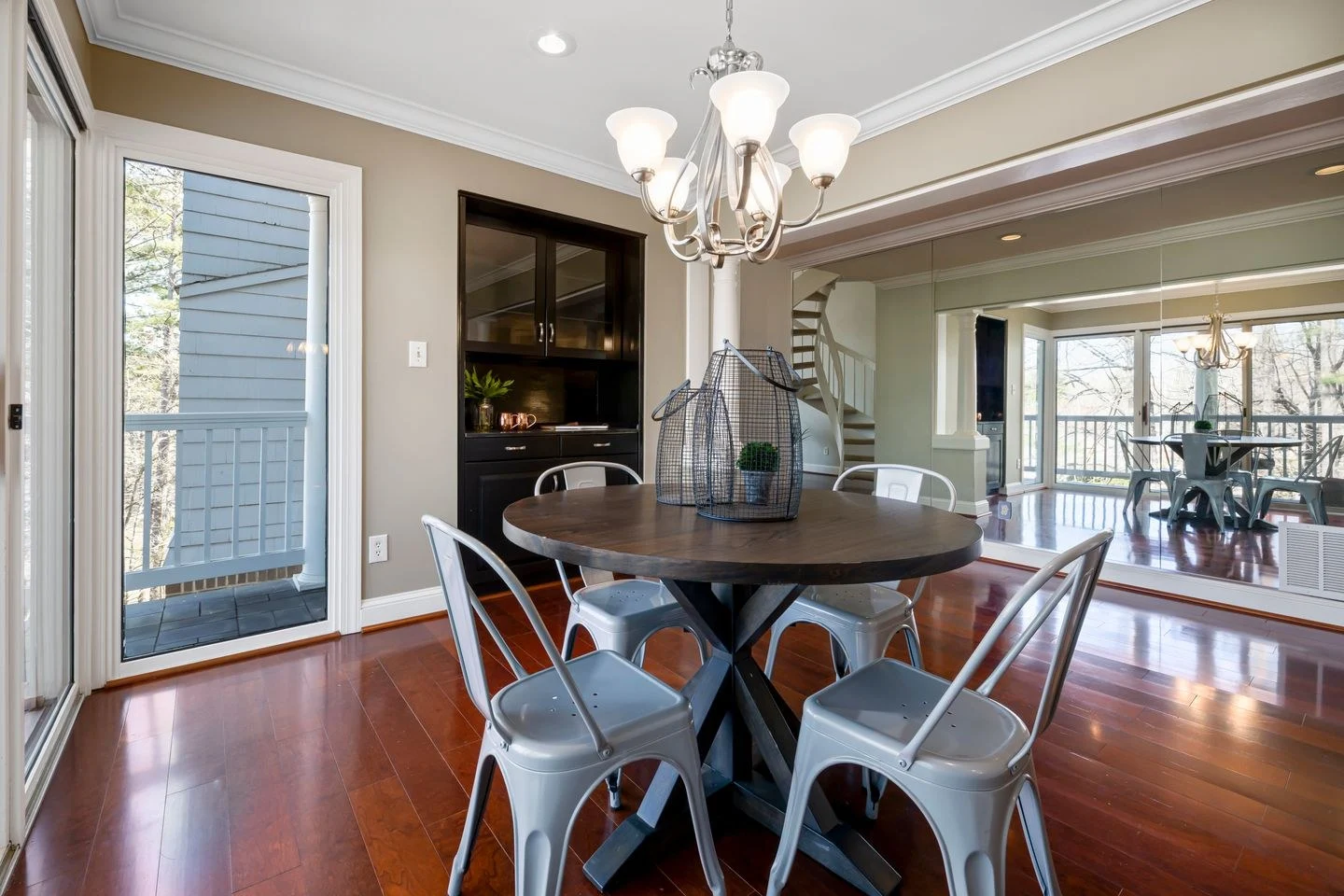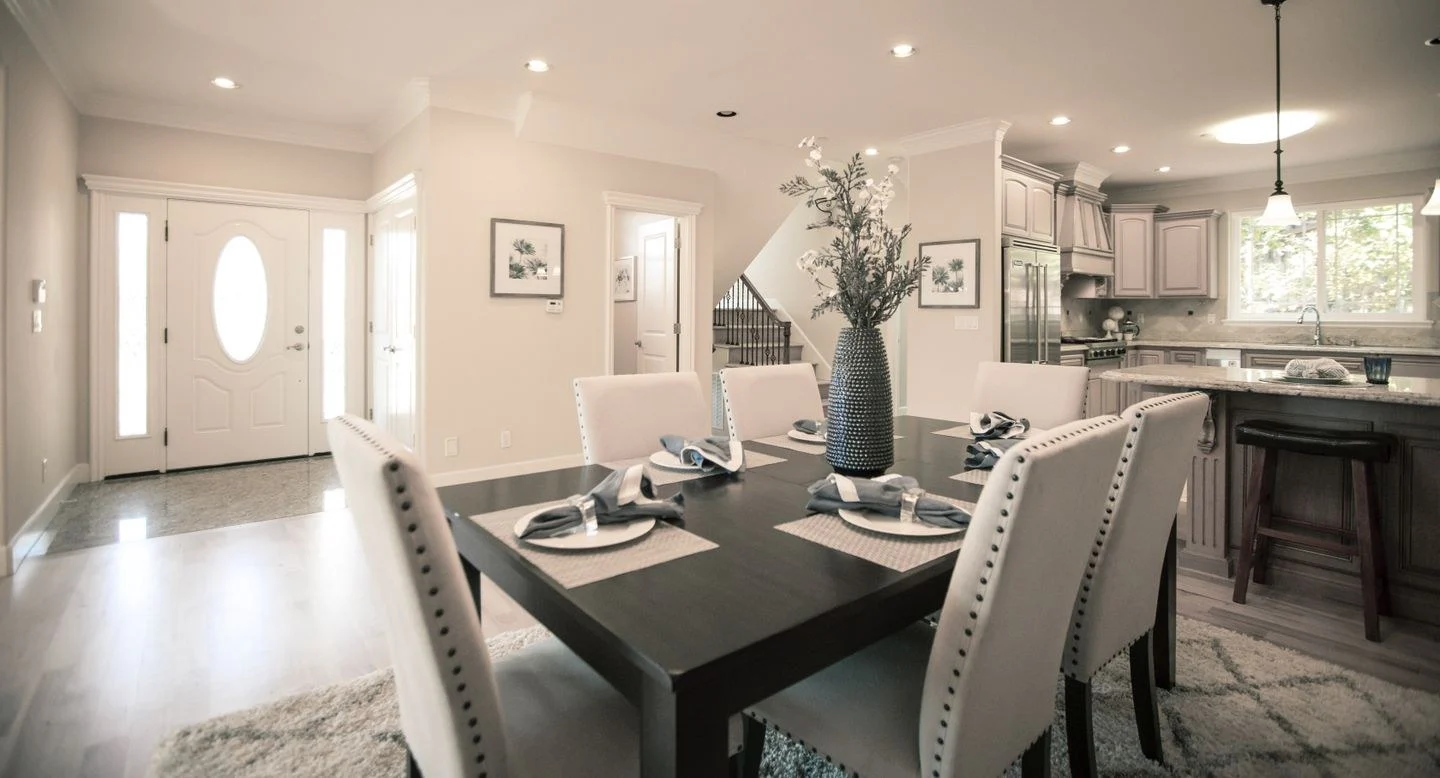
Choosing dining chairs that fit under the table
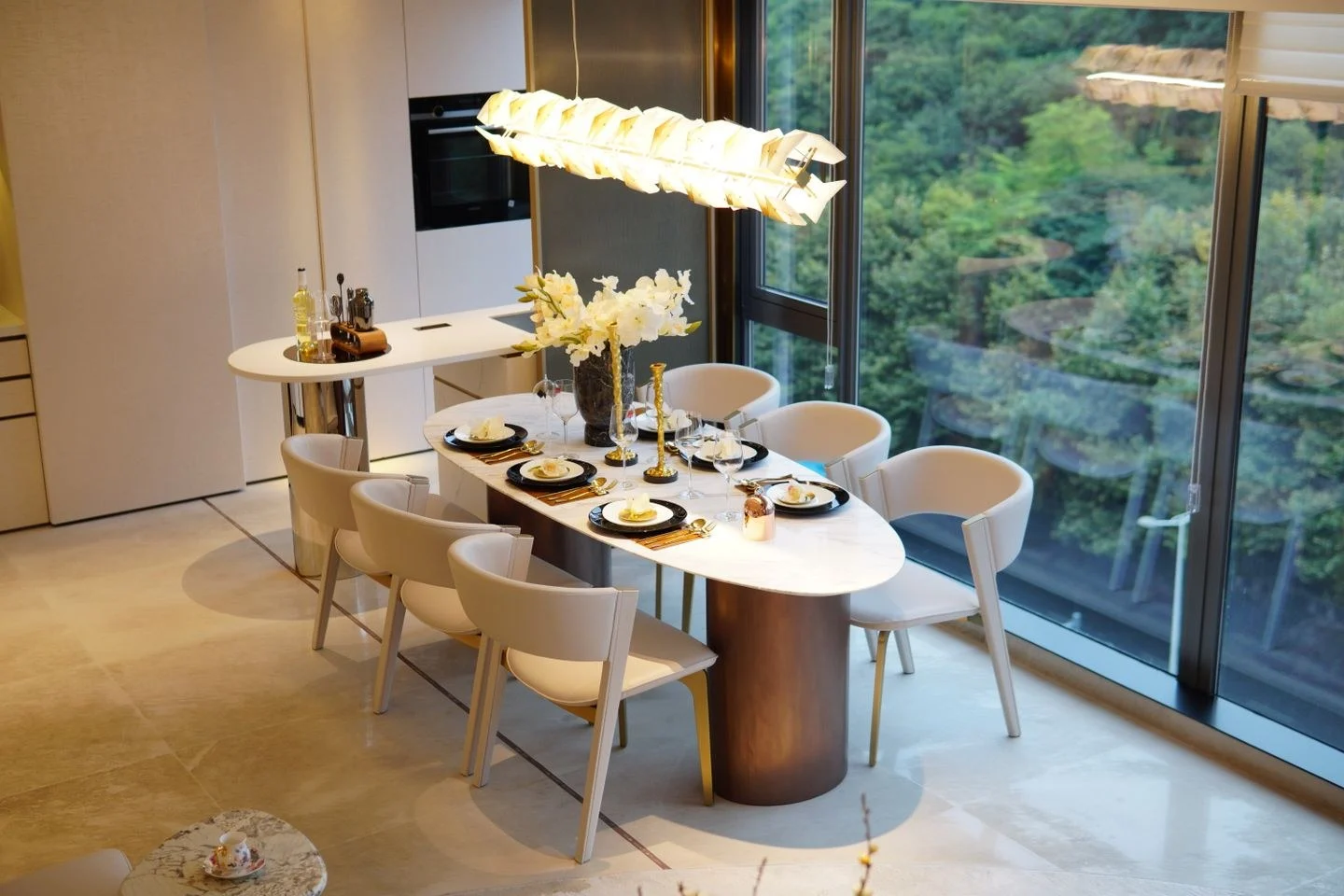
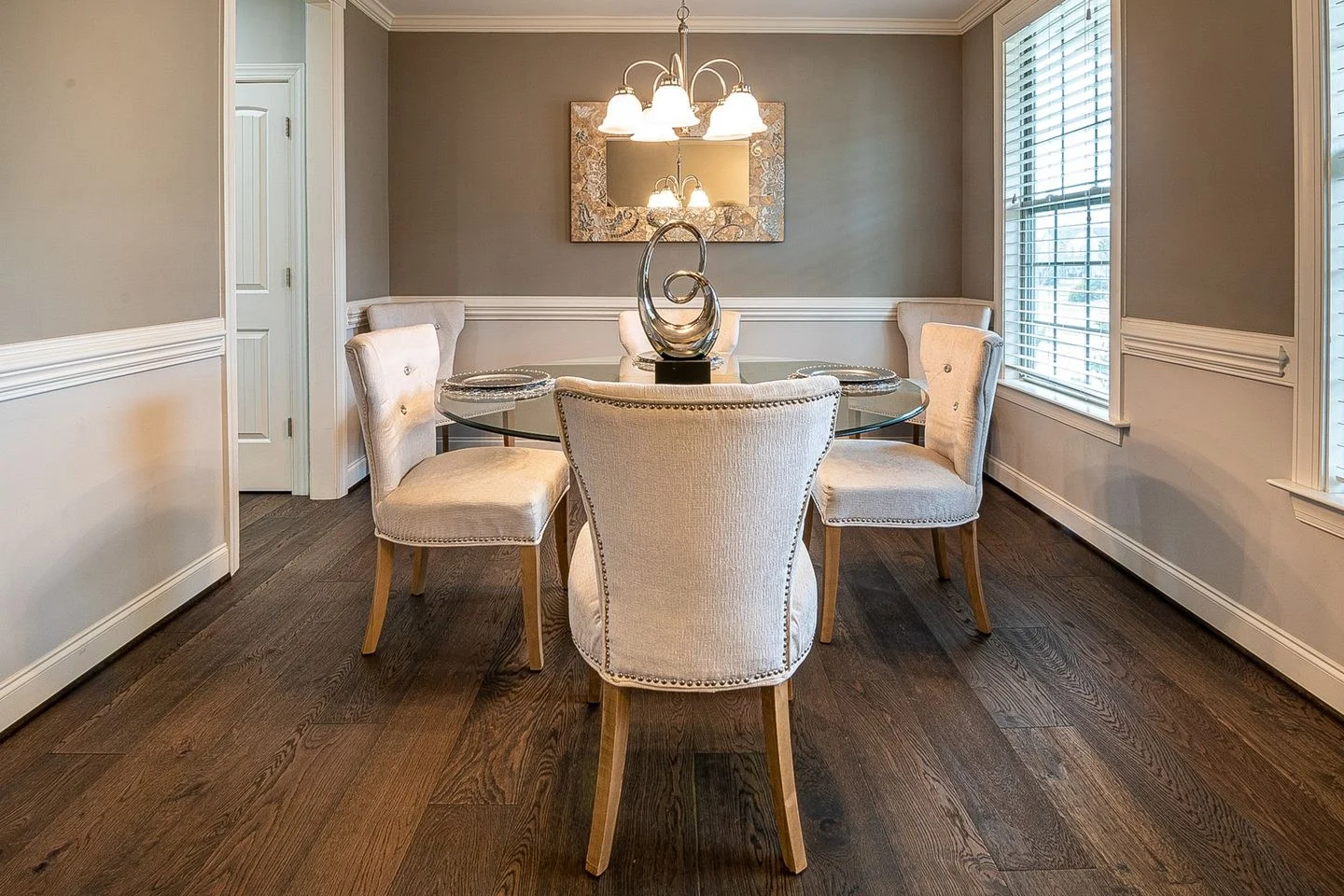
Check dining chair width, arm height, seat height, and table-leg spacing so the chairs fit comfortably and tuck away as you intend.
Home/Kitchens & Dining
Everyday kitchen organization, dining furniture, and finishes worth comparing.
Check dining chair width, arm height, seat height, and table-leg spacing so the chairs fit comfortably and tuck away as you intend.
Assess a round dining table in a rectangular room by separating the dining zone from circulation and checking chairs in their occupied positions.
Plan an extendable dining table in both its daily and expanded forms, including chair storage, leaf handling, circulation, and the light above it.
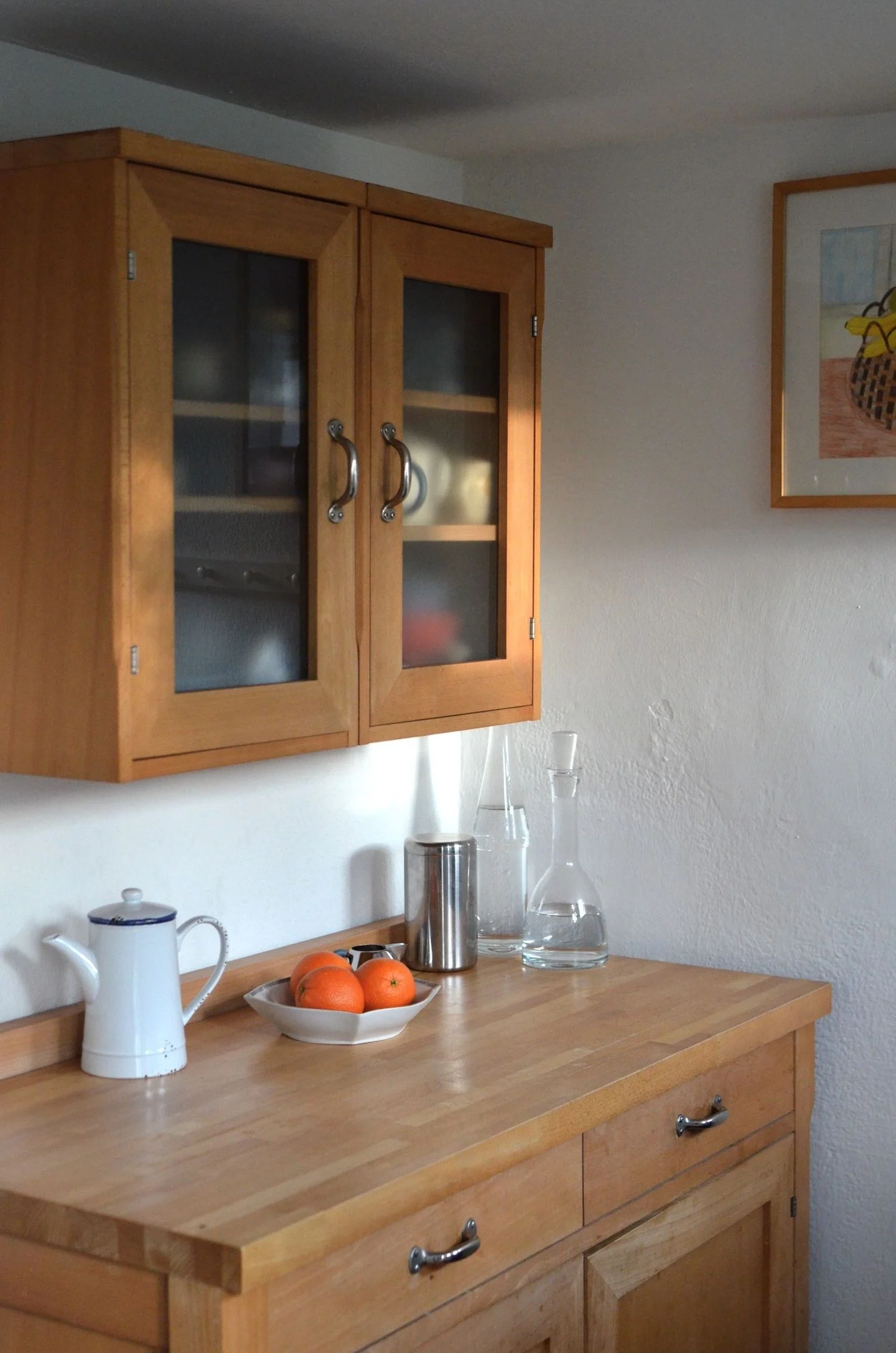
Arrange kitchen counter zones around preparation, drinks, washing, and landing space while keeping the surfaces needed for actual cooking available.
Choose what belongs on open kitchen shelves by frequency of use, reach, weight, and cleaning needs before adding decorative objects.
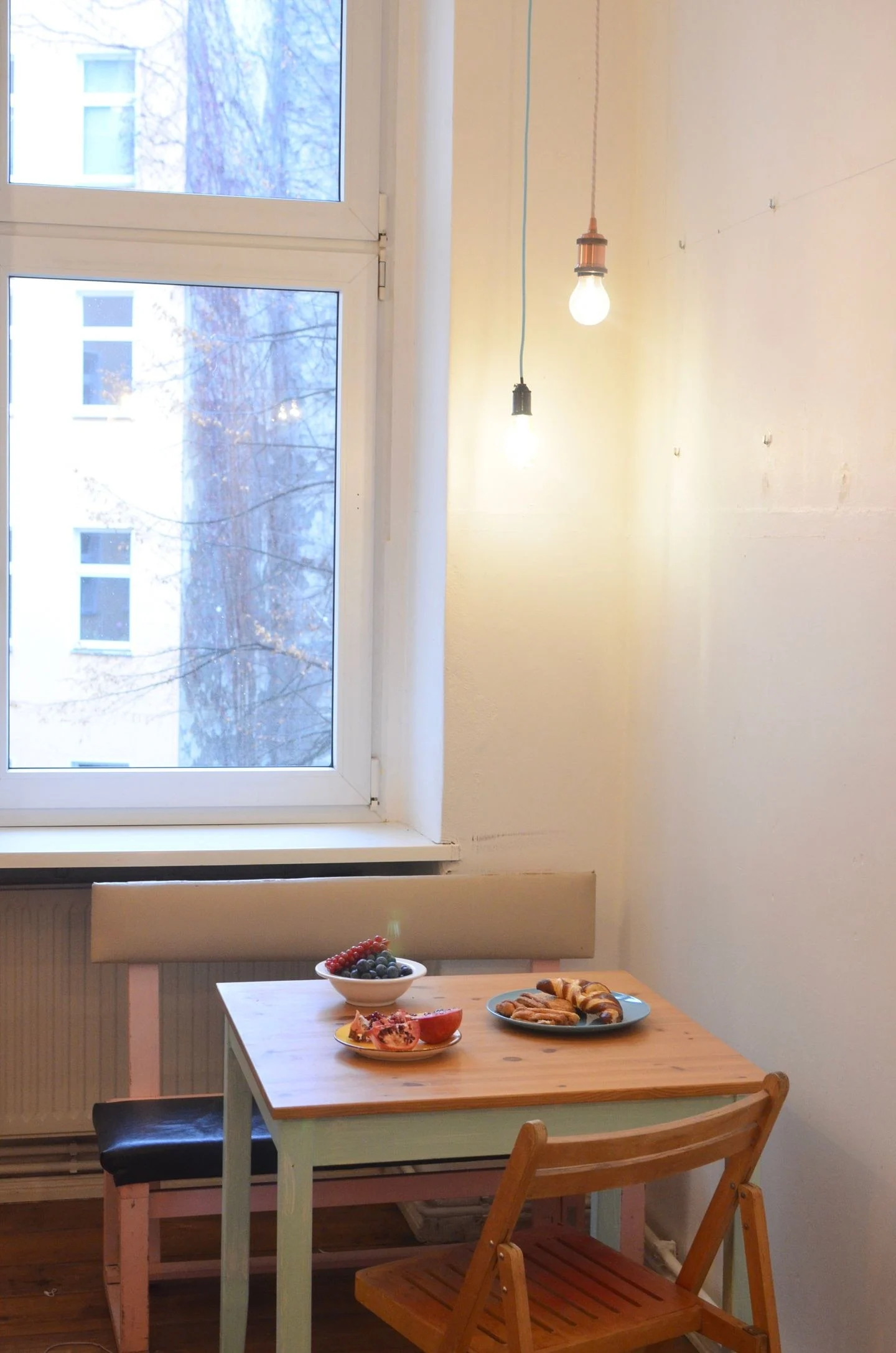
Create a breakfast corner with movable seating by testing a small table, chair pull-out space, window access, and the kitchen route around it.
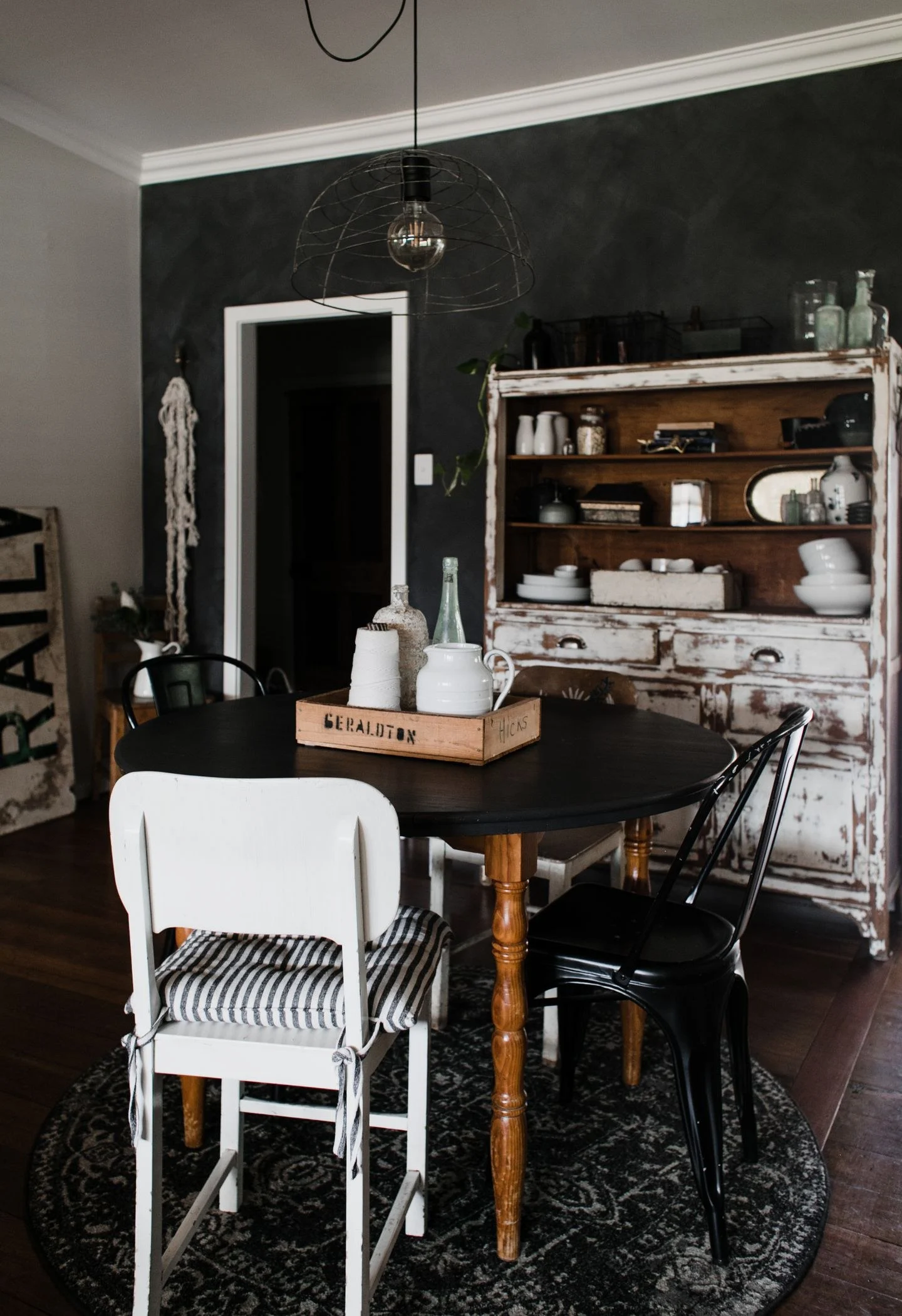
Mix dining chairs through a shared proportion, material, or repeated pairing while checking seat height and comfort at the same table.
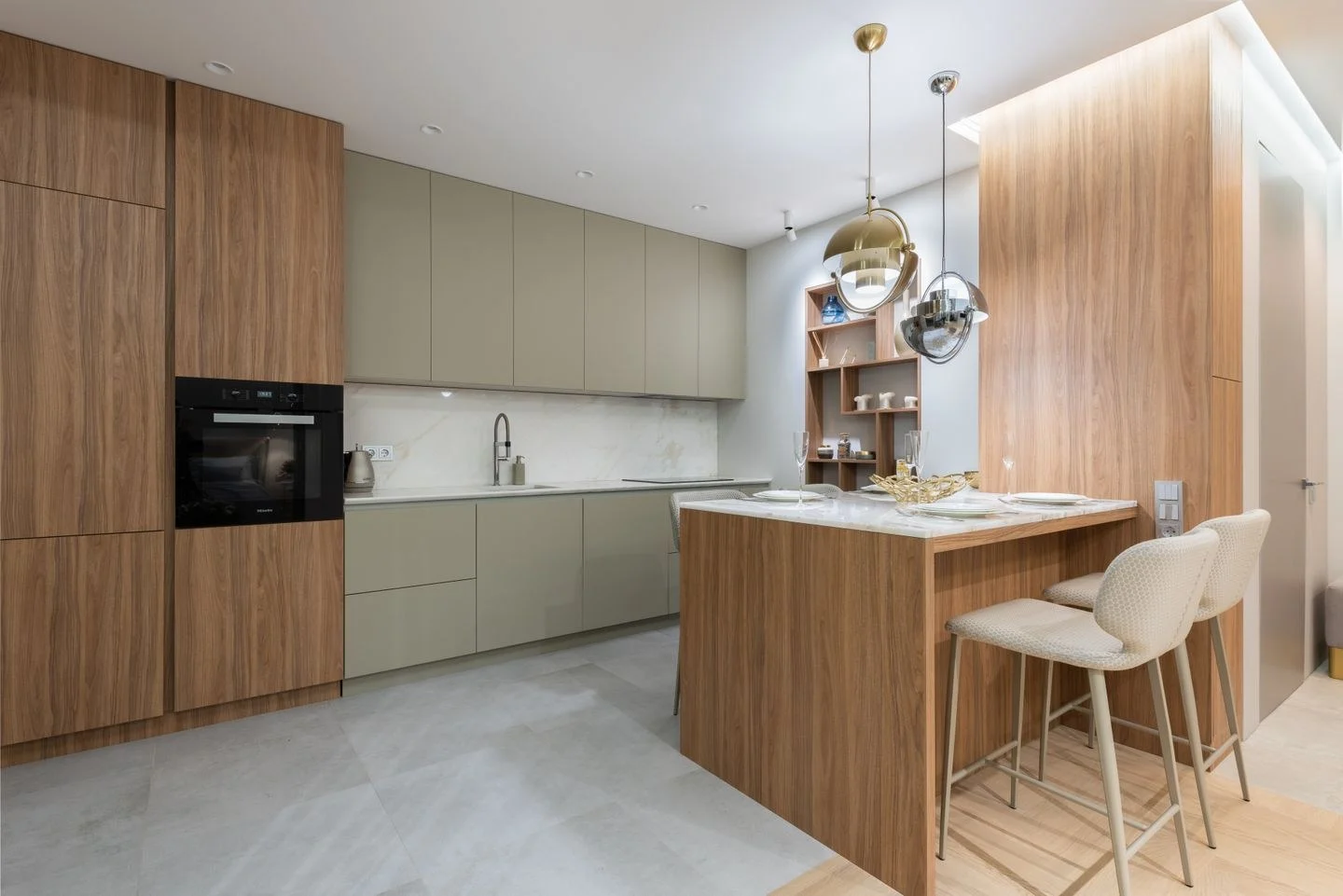
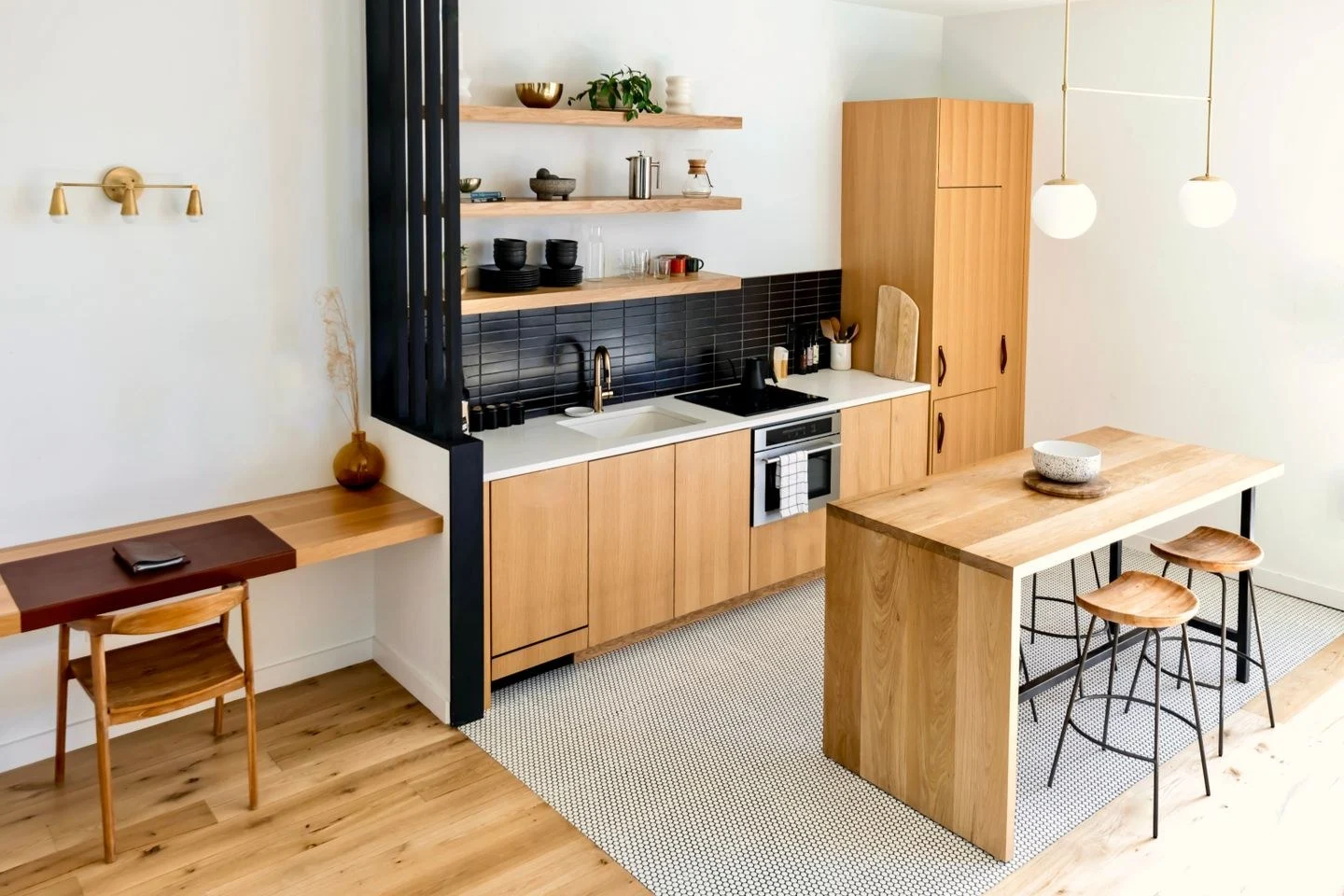
Choose kitchen counter stools by measuring the underside, allowing for knees and neighboring seats, and comparing backrests, footrests, and swivels.
Size a dining rug around occupied chairs and their movement, then compare pile, edges, floor compatibility, and cleaning needs for the room.
Update the feel of an existing oak kitchen by working with the wood tone, simplifying nearby surfaces, and testing a few reversible changes first.
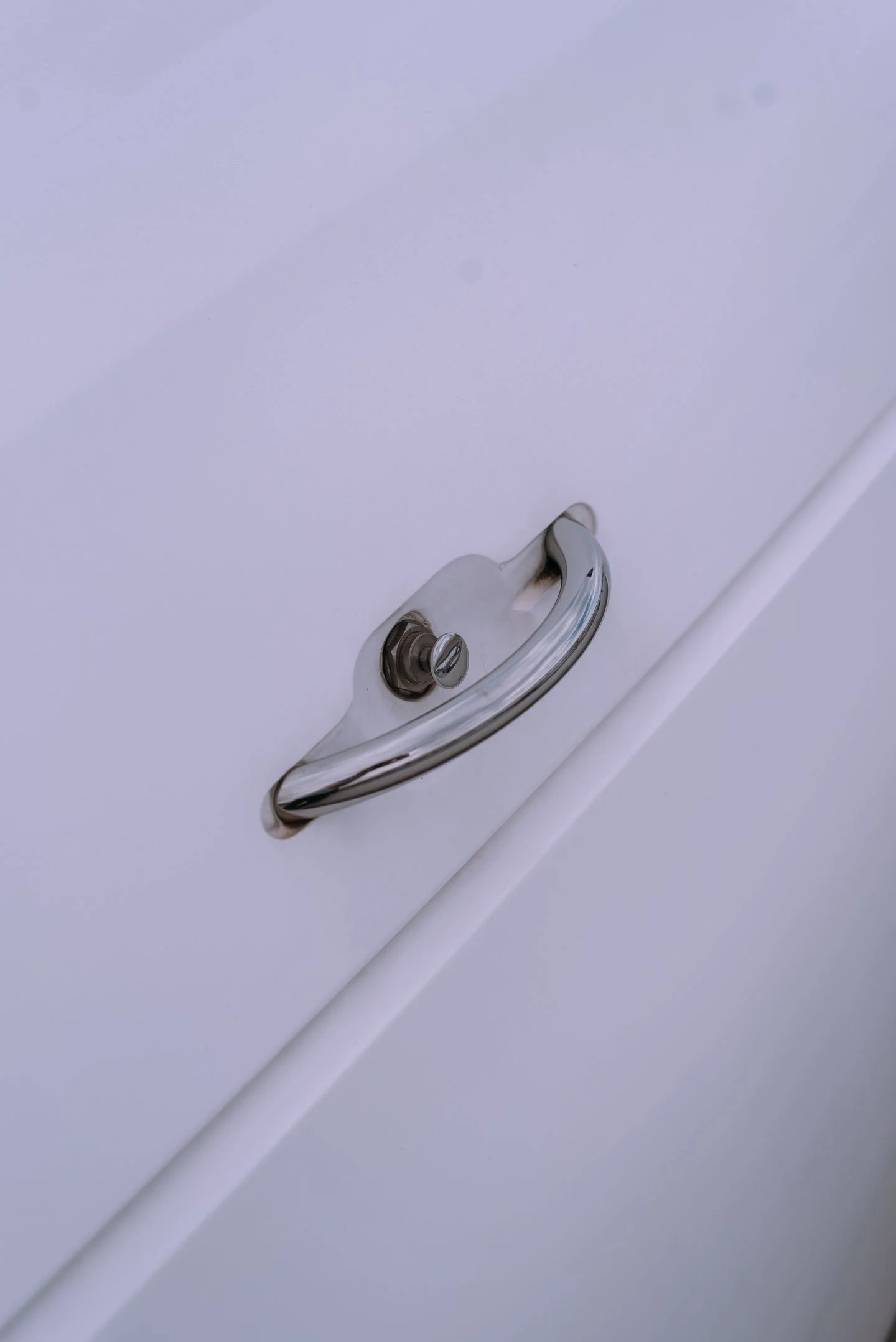
Compare kitchen knobs and pulls through grip, projection, existing fixing holes, cleaning access, and the way they behave on different cabinet fronts.
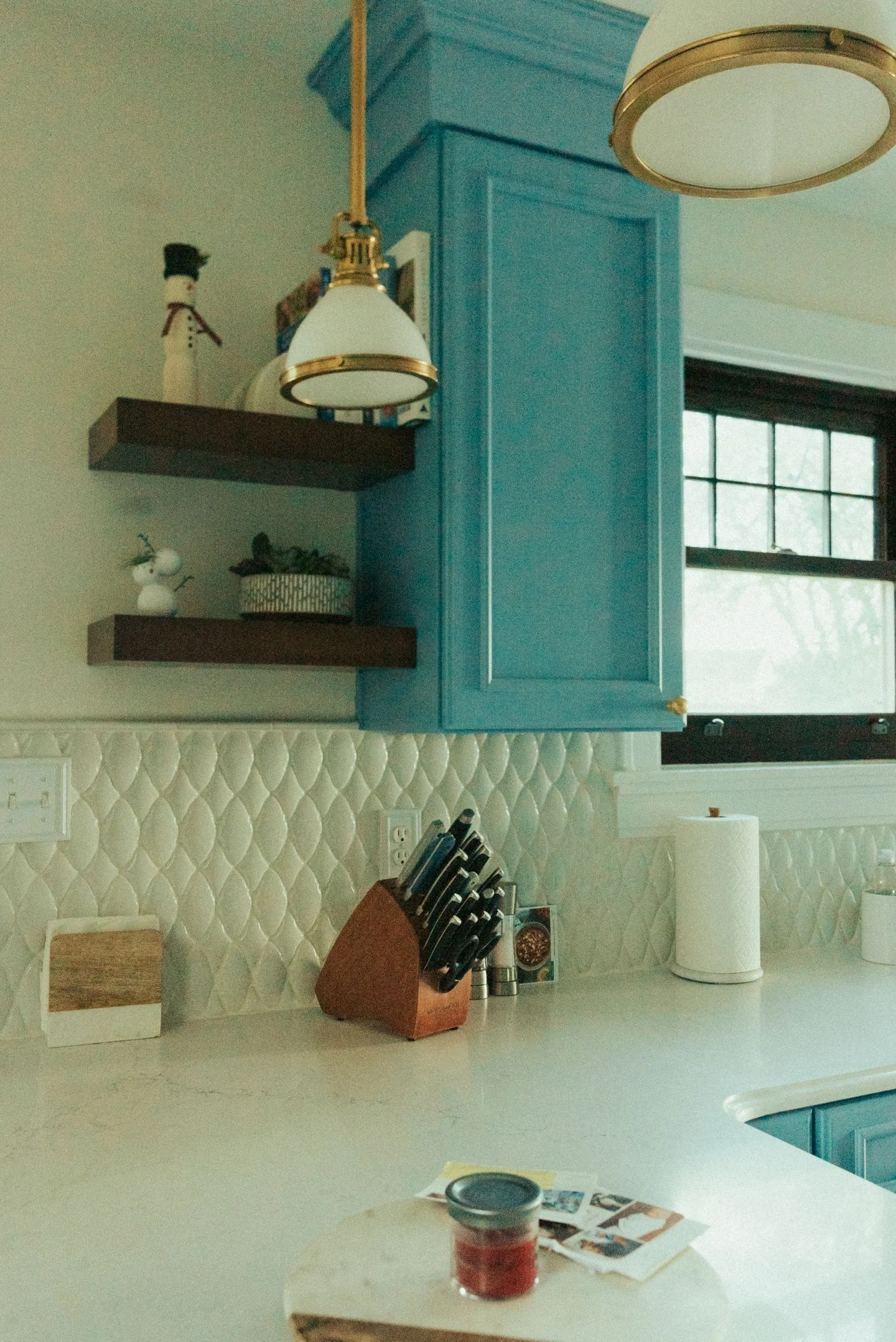
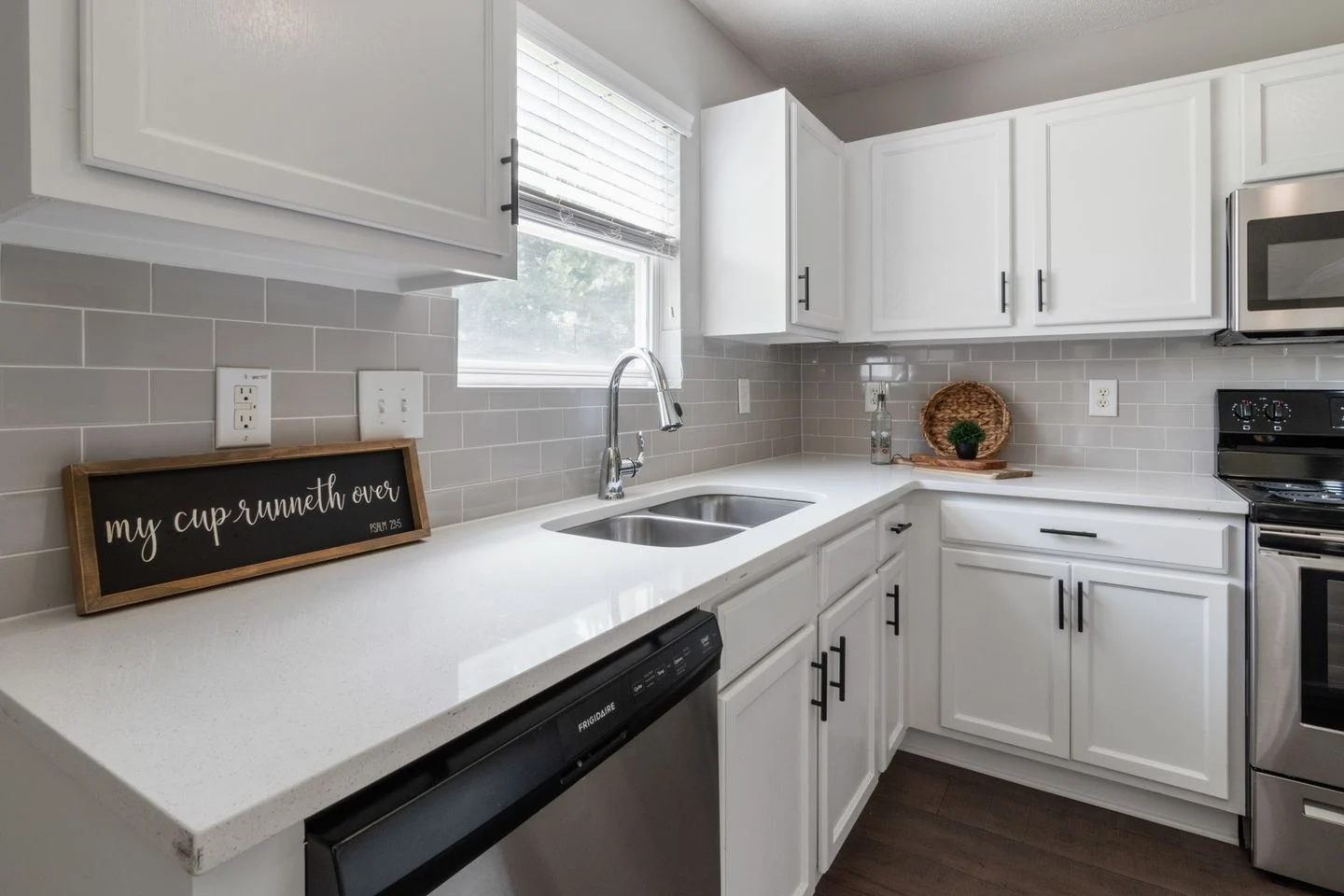
Choose a backsplash that relates to an existing countertop by comparing undertones, pattern scale, grout, edge details, and care requirements in place.